On-site Mori condition review
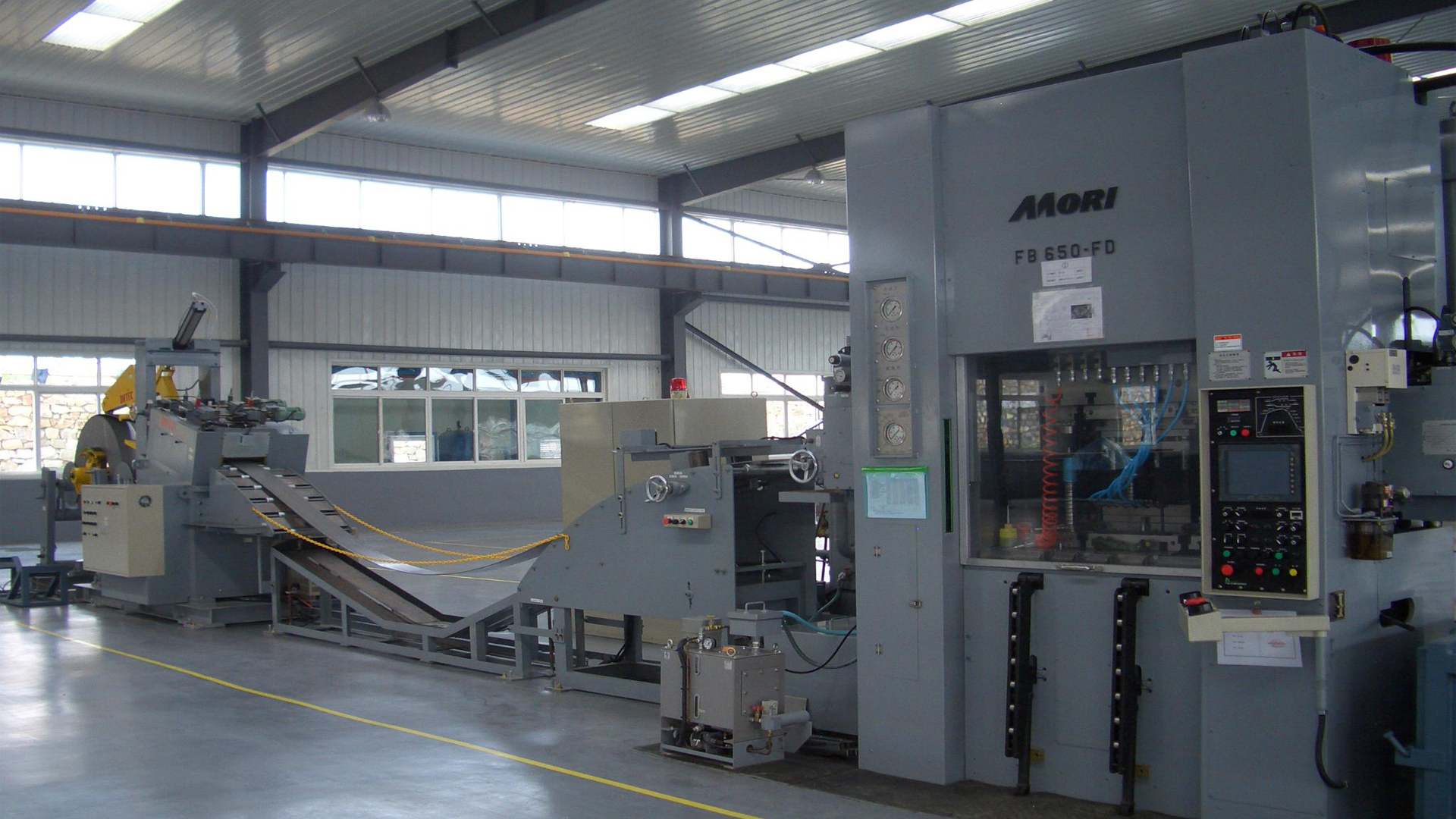
Inspect machine frame, slide guidance, hydraulic unit, feeder, control cabinet and production symptoms inside the customer's workshop.
 Hubei Fine BlankingPrecision Press Systems
Mori press global service
For factories running Mori fine blanking presses, unstable hydraulic response, feeder errors, aging controls and accuracy loss can stop production without warning. HFB provides on-site inspection, repair, calibration and production accompany support to recover output without unnecessary replacement cost.
Downtime pain
Mori presses are often used for high-value fine blanking production. A practical repair plan must inspect the press in its real production condition, including hydraulic force, feeder accuracy, die interaction, electrical controls and operator workflow.
HFB follows a closed-loop service path: on-site inspection, repair or replacement plan, precision calibration, transparent cost confirmation and production accompany support when the customer needs first-batch recovery assistance.
Inspect machine frame, slide guidance, hydraulic unit, feeder, control cabinet and production symptoms inside the customer's workshop.
Recover pressure stability, replace worn assemblies where needed and calibrate force response for stable fine blanking output.
Review feeder pitch accuracy, old controls, sensor faults and HMI alarms that slow troubleshooting.
Support first-batch production after repair so the machine returns to usable output, not just idle motion.
Transparent scope
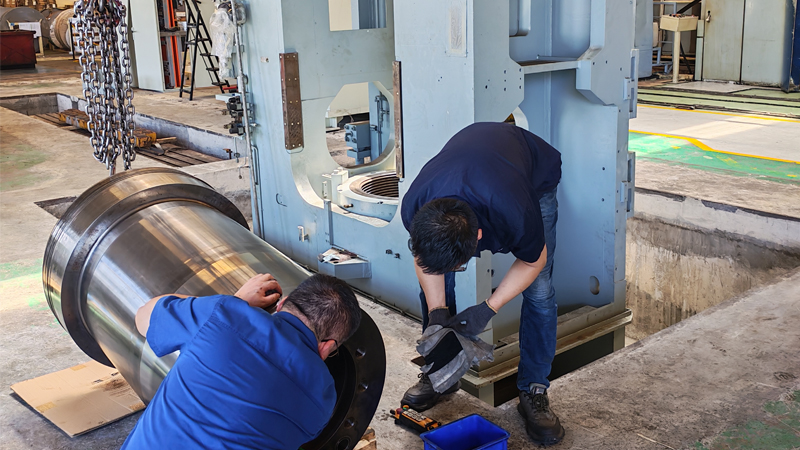
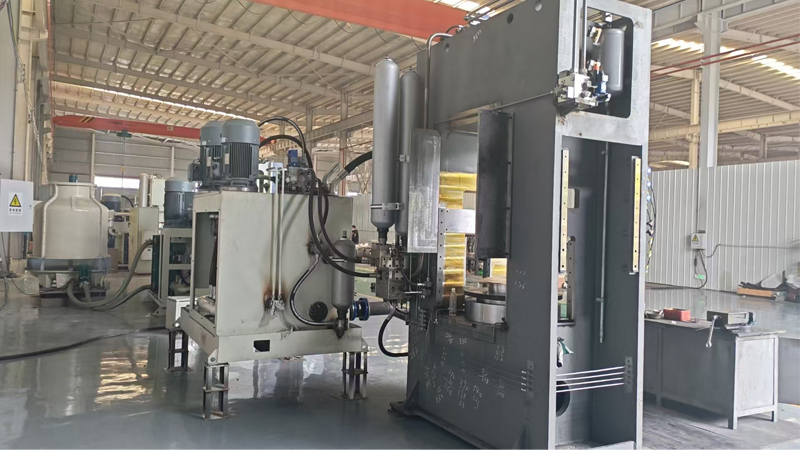
After inspection, HFB separates urgent repair, optional retrofit and reusable components. This helps production and purchasing teams avoid replacing parts that can still run safely.
Full-process support
For fine blanking equipment, a service job is incomplete if the machine only moves without stable production. HFB can support pressure calibration, feeder recovery, safety review and first-batch production tuning so the repaired machine returns to usable output.
We speak Mori repair in the language production teams care about: shorter downtime, clear cost, available parts and restored output.
No hidden repair logic
After inspection, customers should receive a clear technical recommendation: which parts must be replaced, which components can continue to run, what each service item costs and what risk remains. This keeps maintenance spending tied to real uptime and machine life.
Service questions
Yes. HFB can review information remotely first and arrange on-site inspection or repair depending on location, fault condition and project scope.
Yes. Control, HMI, sensor and feeder recovery can be discussed when legacy systems create troubleshooting or spare-parts problems.
When required, engineers can support trial production and parameter tuning after repair.