Automotive applications

Fine Blanking for Safety, Powertrain and Motion Components

Automotive buyers use fine blanking when clean edges, reliable holes, flatness and repeatable functional geometry can remove secondary machining and stabilize high-volume assembly.

Automotive fine blanked seating and safety components

Production reality

Automotive fine blanking projects are won by stable launch, not by a machine list.

Seat recliners, lock parts, transmission plates, wiper links and chassis brackets each create different risks: tooth profile drift, burr in a latch surface, poor flatness after forming, or unstable hole position during automated assembly.

HFB reviews the part family as a complete production route: press capacity, die concept, feeding accuracy, lubrication, deburring, inspection points and trial support.

Application paths

Automotive part families HFB can review

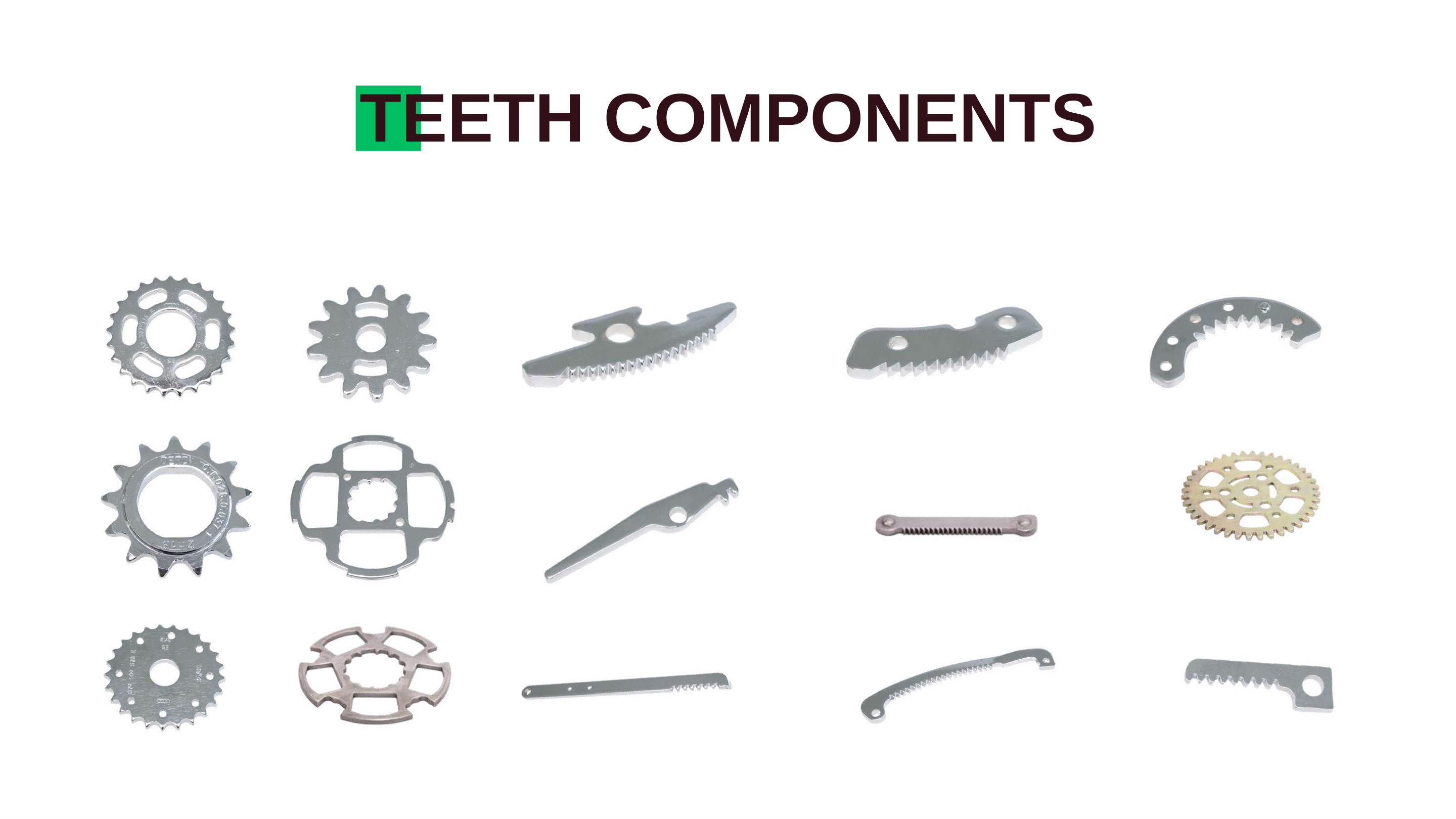
Teeth Components

Toothed plates, ratchets and engagement parts fail when tooth rollover, pitch drift or burrs change the way components lock. Buyers need a process that protects the tooth profile from the first trial stroke to mass production.

Review application
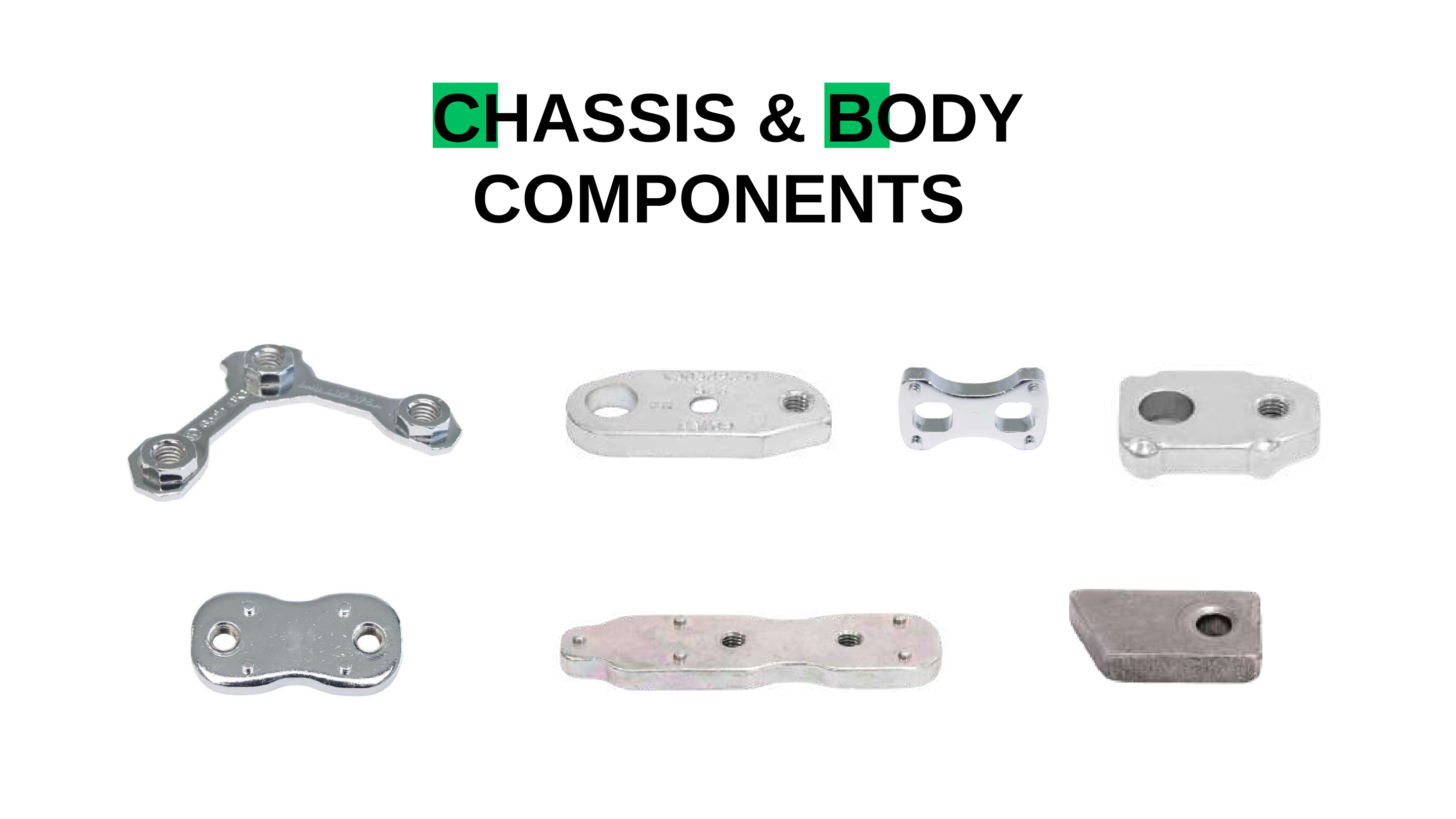
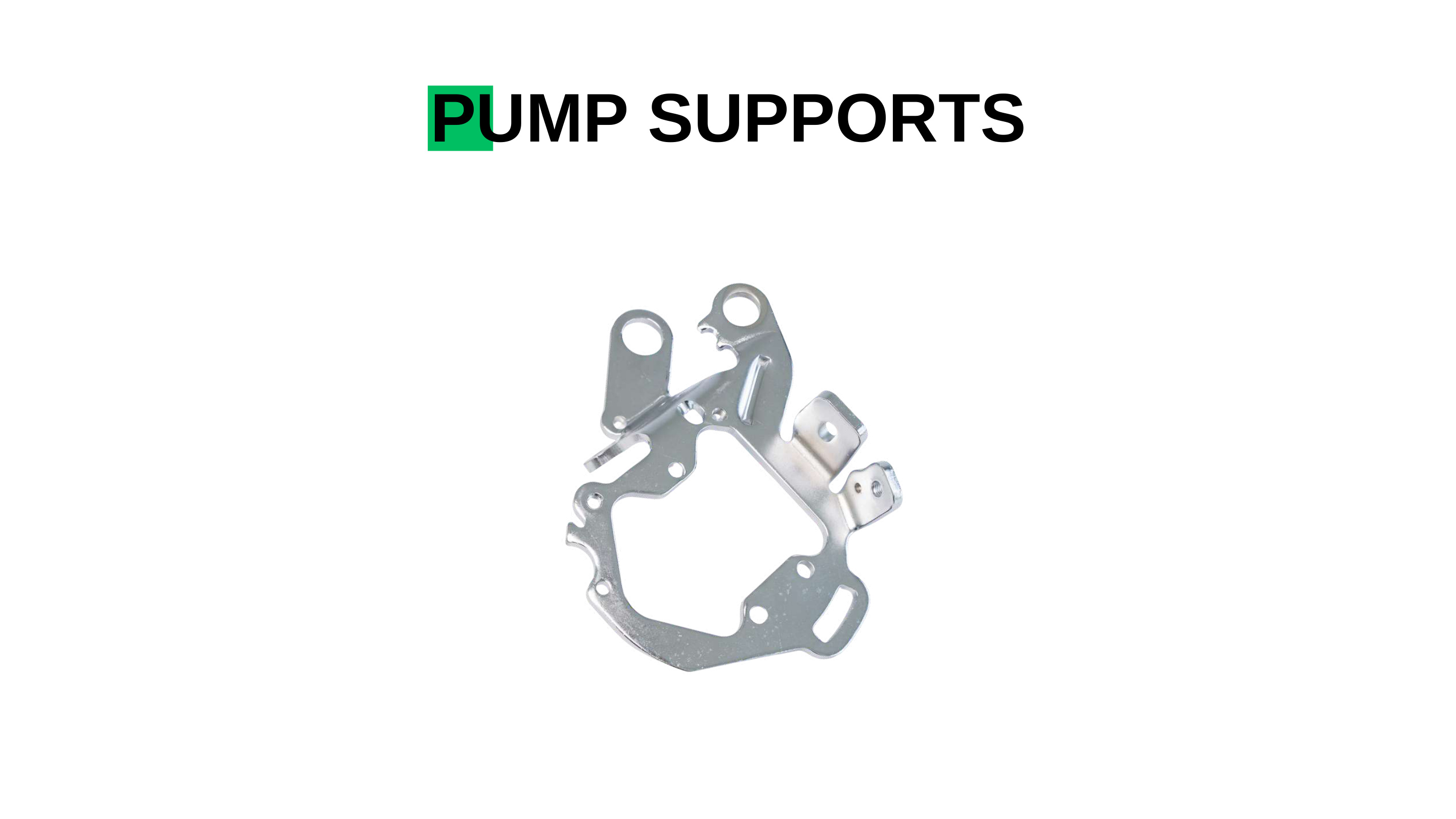
Chassis & Body Components

Chassis and body brackets usually combine blanking, forming and mounting features. The main risk is a part that passes edge inspection but loses flatness or hole relationship after forming.

Review application

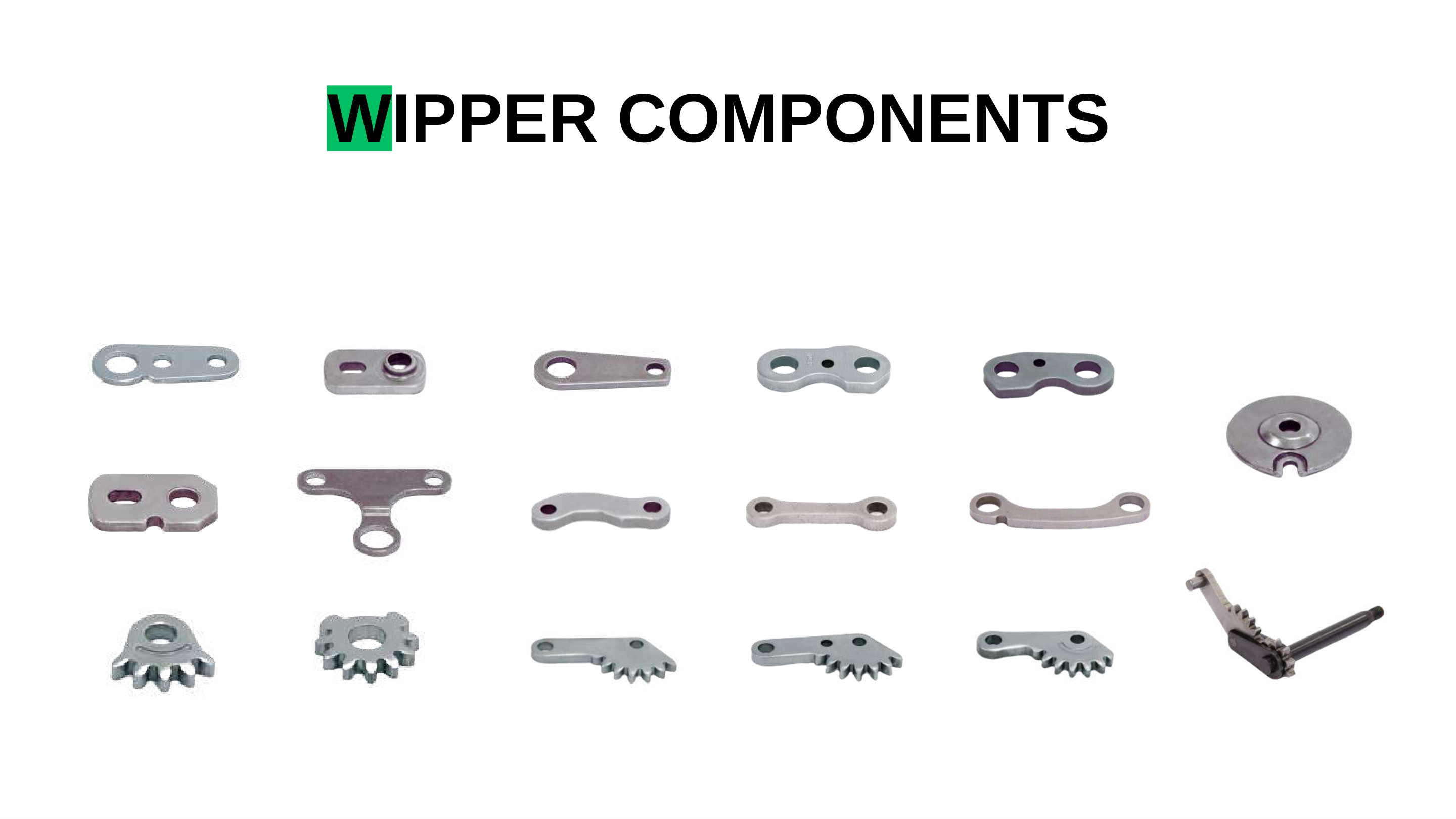
Wiper Components

Wiper links and plates work around rotating joints, so hole quality and sliding edges matter more than the part's apparent size. Poor burr control can increase noise, wear and assembly resistance.

Review application

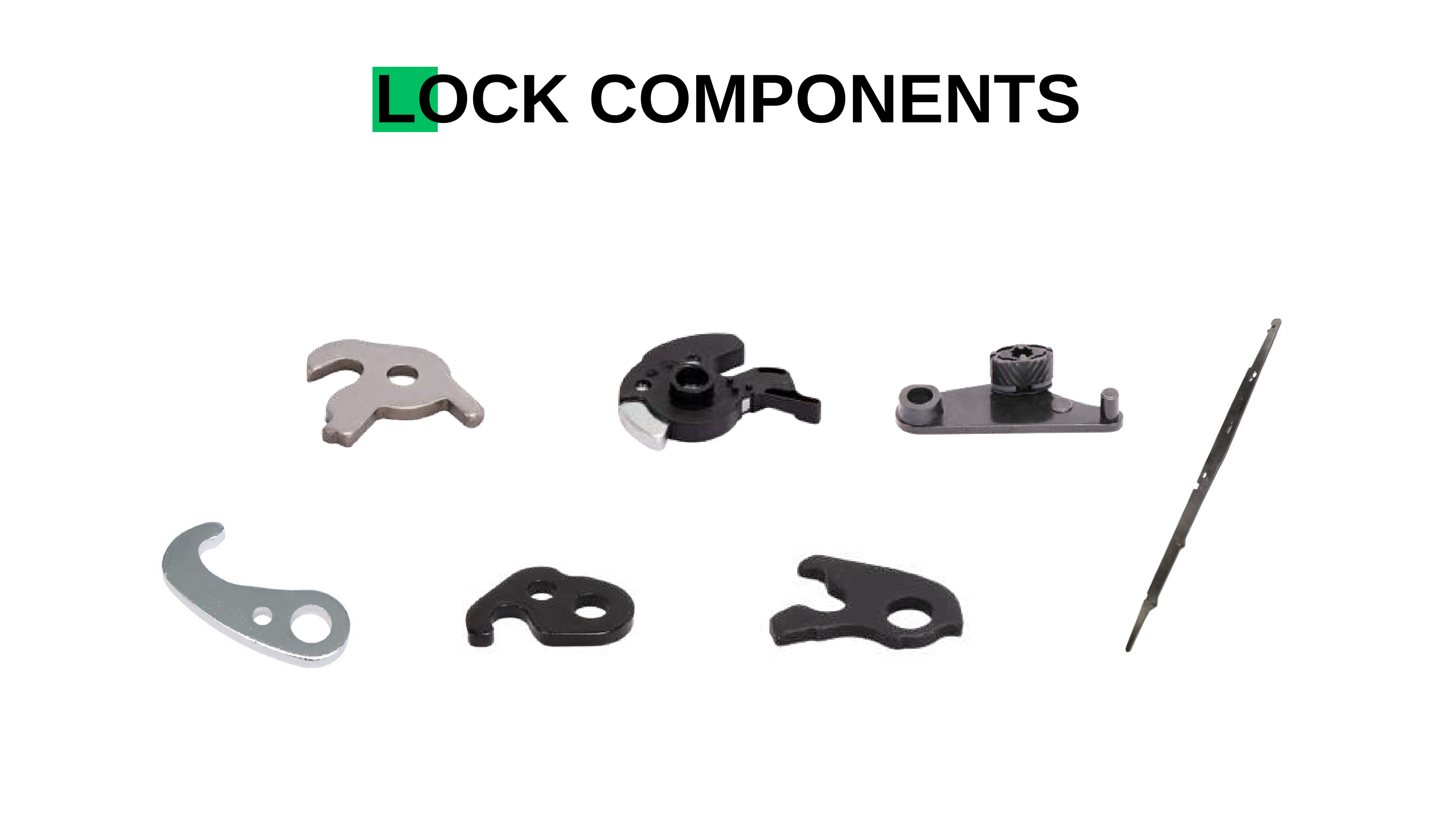
Lock Components

Door locks, hood locks and latch components are assembly-sensitive parts. A small burr, pitch error or inconsistent locking surface can create warranty risk downstream.

Review application

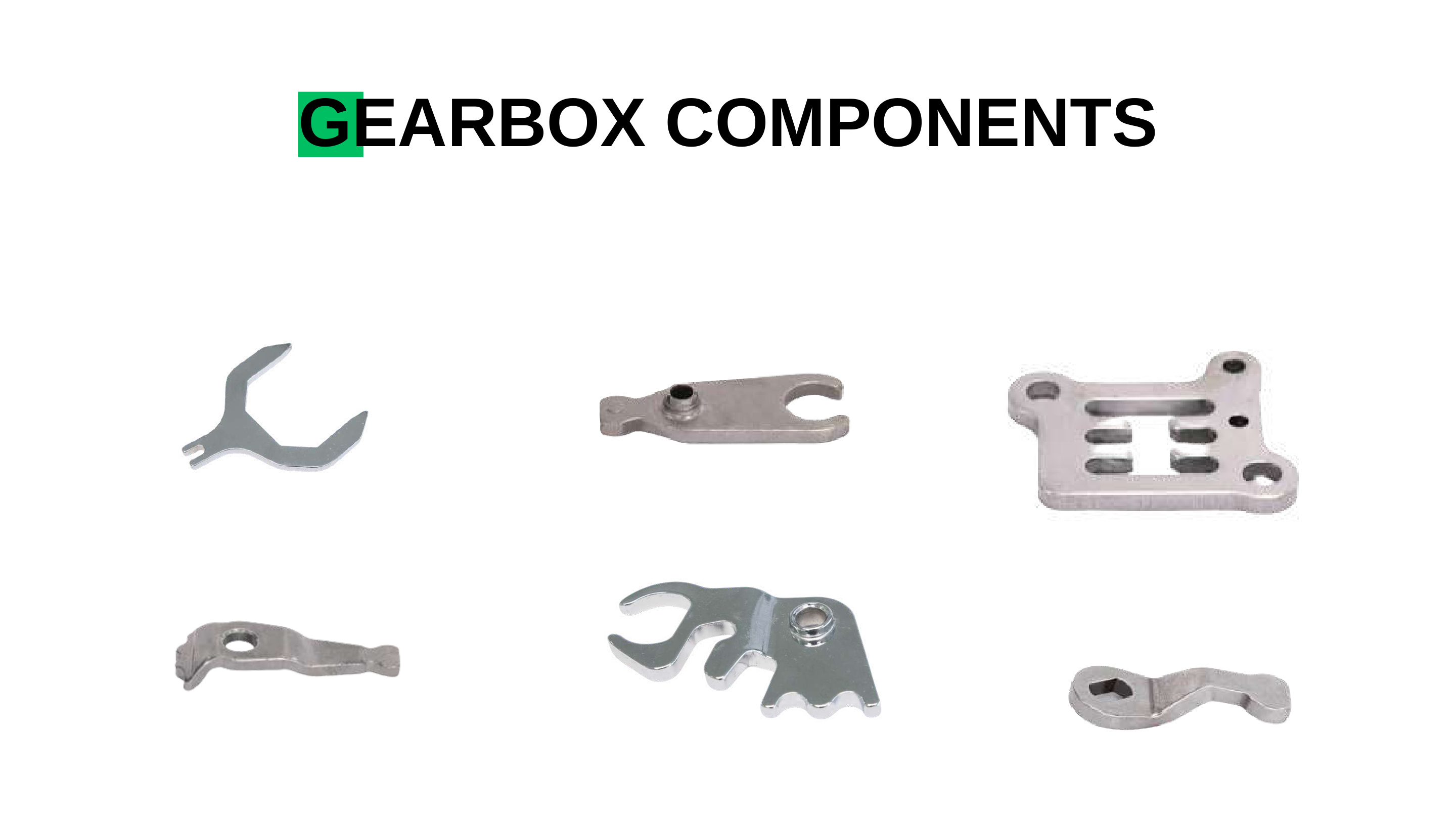
Gearbox Components

Gearbox plates and transmission components demand stable flatness, hole position and clean oil passages. Secondary machining is expensive, but poor blanking quality can be even more costly in assembly.

Review application

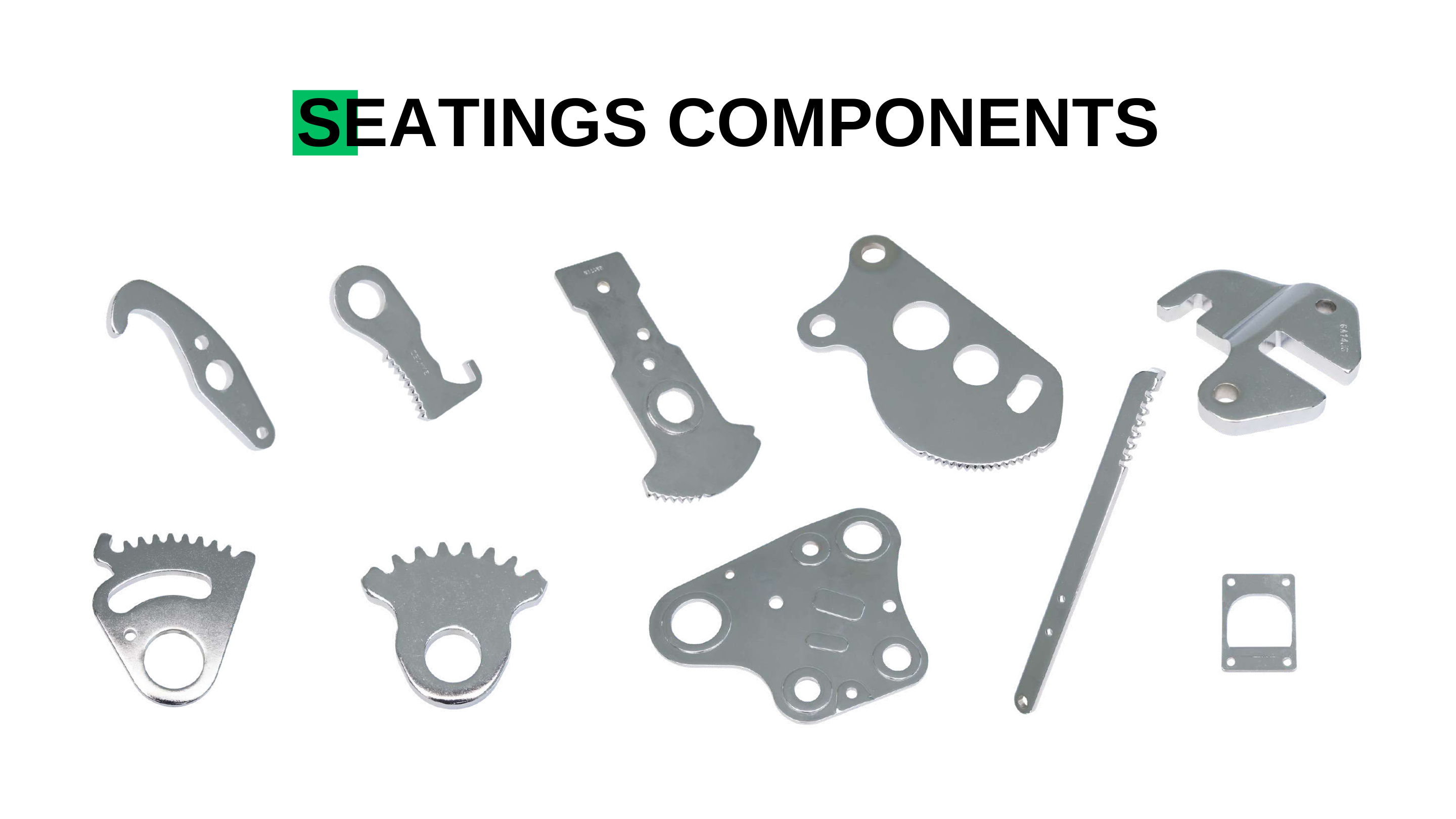
Seating Components

Seat recliner and adjuster parts are safety-related, high-volume components. Suppliers need tooth accuracy, flatness and fatigue consistency without letting trial costs and downtime grow out of control.

Review application

Reference parts

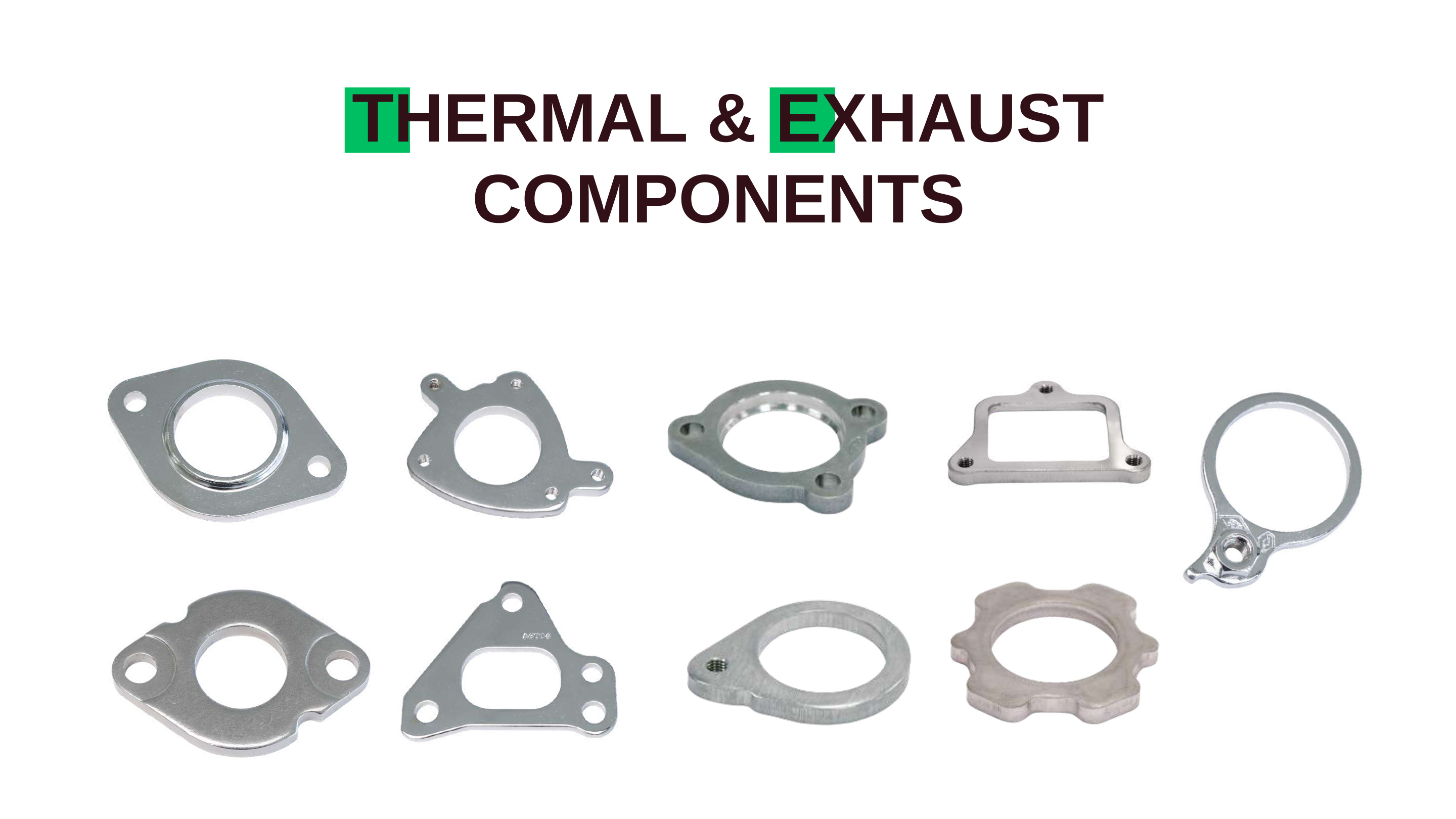
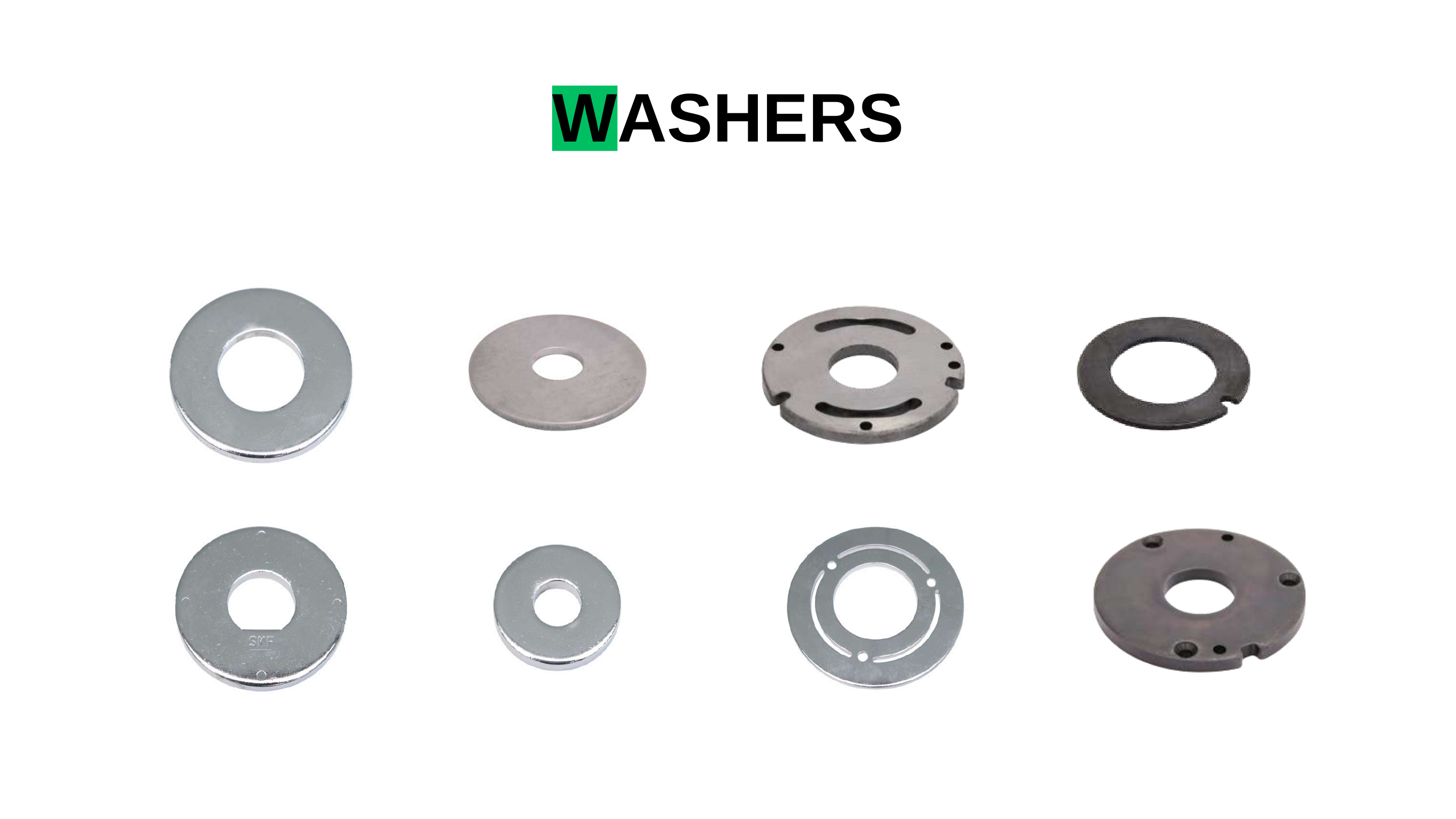
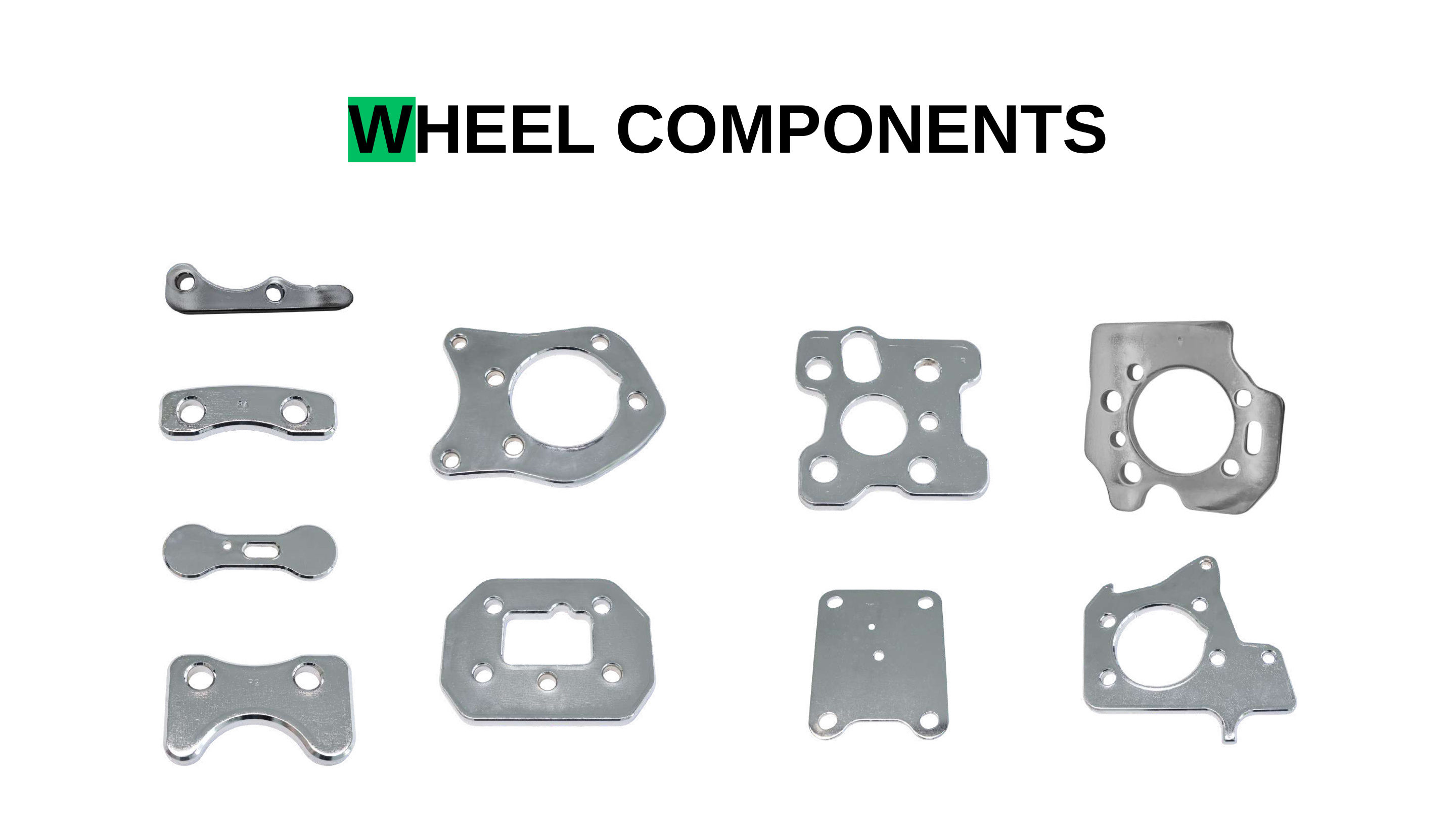
Fine blanked automotive part families

The supplied part references are used as engineering discussion examples for press selection, die review, feeding and downstream finishing.