
Application engineering
Fine Blanking for Lock Components
Door lock, hood lock and latch-system components need a process plan that protects edge quality, flatness, functional geometry and production cost from the first RFQ review.
Buyer pain
Why this part family needs more than a generic press quote.
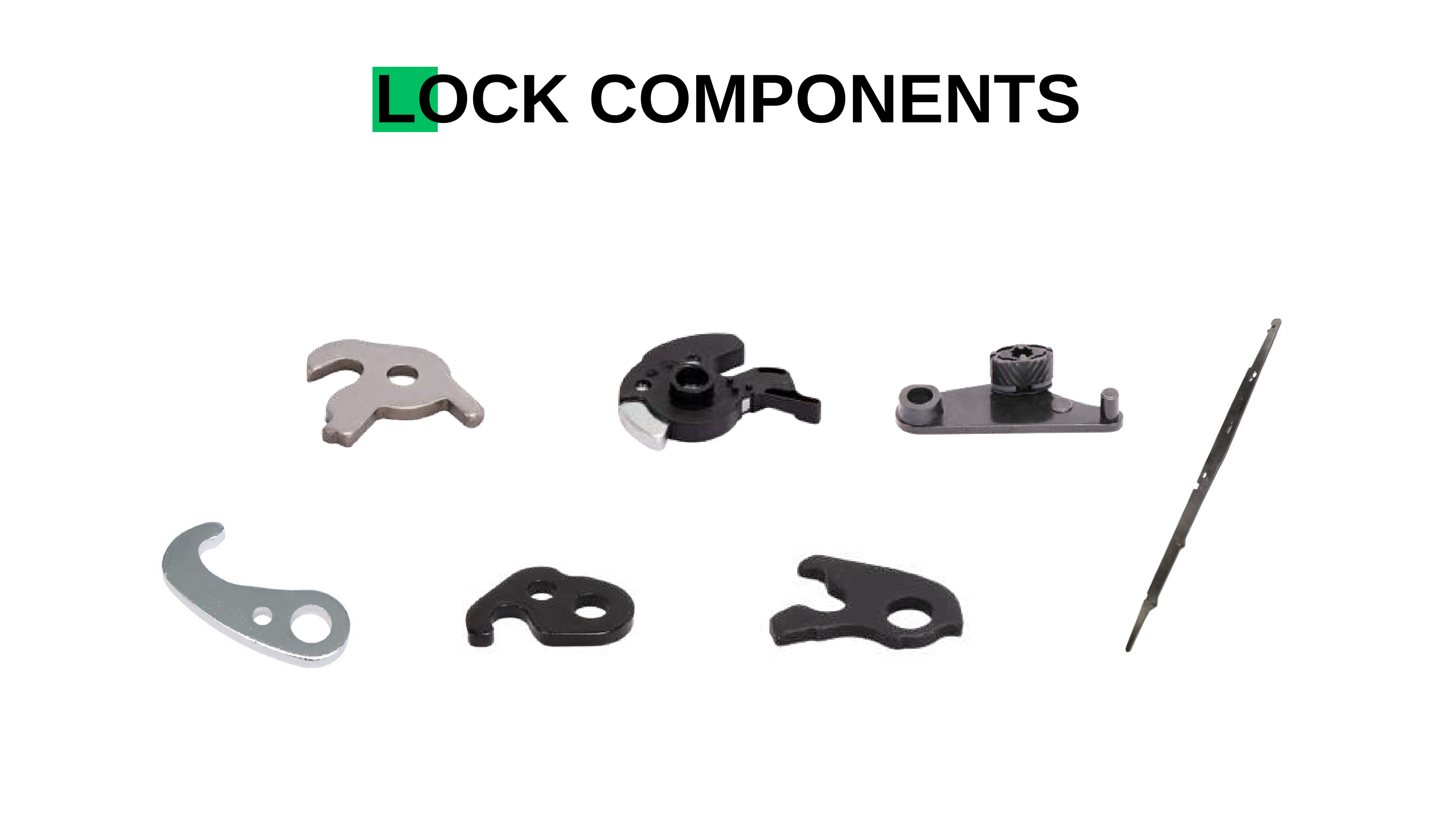
Door locks, hood locks and latch components are assembly-sensitive parts. A small burr, pitch error or inconsistent locking surface can create warranty risk downstream.
HFB starts with the actual drawing, material, tolerance zone, burr direction, annual quantity and current production problem, then recommends the press, die and line scope that fits the part.
Process route
Fine blanking feasibility and tooling focus.
Fine blanking is valuable when lock parts need clean functional edges without milling or heavy secondary finishing. The review focuses on tooth/slot geometry, burr direction and die insert replacement planning.
Line configuration
Equipment selected around the part, not a fixed package.
HFB can support die design, trial adjustment and press parameter recipes for mixed lock part families, helping suppliers reduce repeated trial-and-error during launches.
RFQ data
Send the details that make the recommendation useful.
- 2D/3D drawing with critical dimensions marked
- Material grade, thickness, hardness and surface condition
- Required shear surface, burr direction and flatness target
- Annual quantity, current process route and quality pain
- Existing press brand/model if this is a die or retrofit project
Next step
Get a practical review before investing in tooling or equipment.
For lock components, HFB can compare fine blanking, die design, feeding, deburring and refurbishment options so the final route reduces secondary work instead of moving the problem to another process.