
Application engineering
Fine Blanking for Other Fine Blanked Components
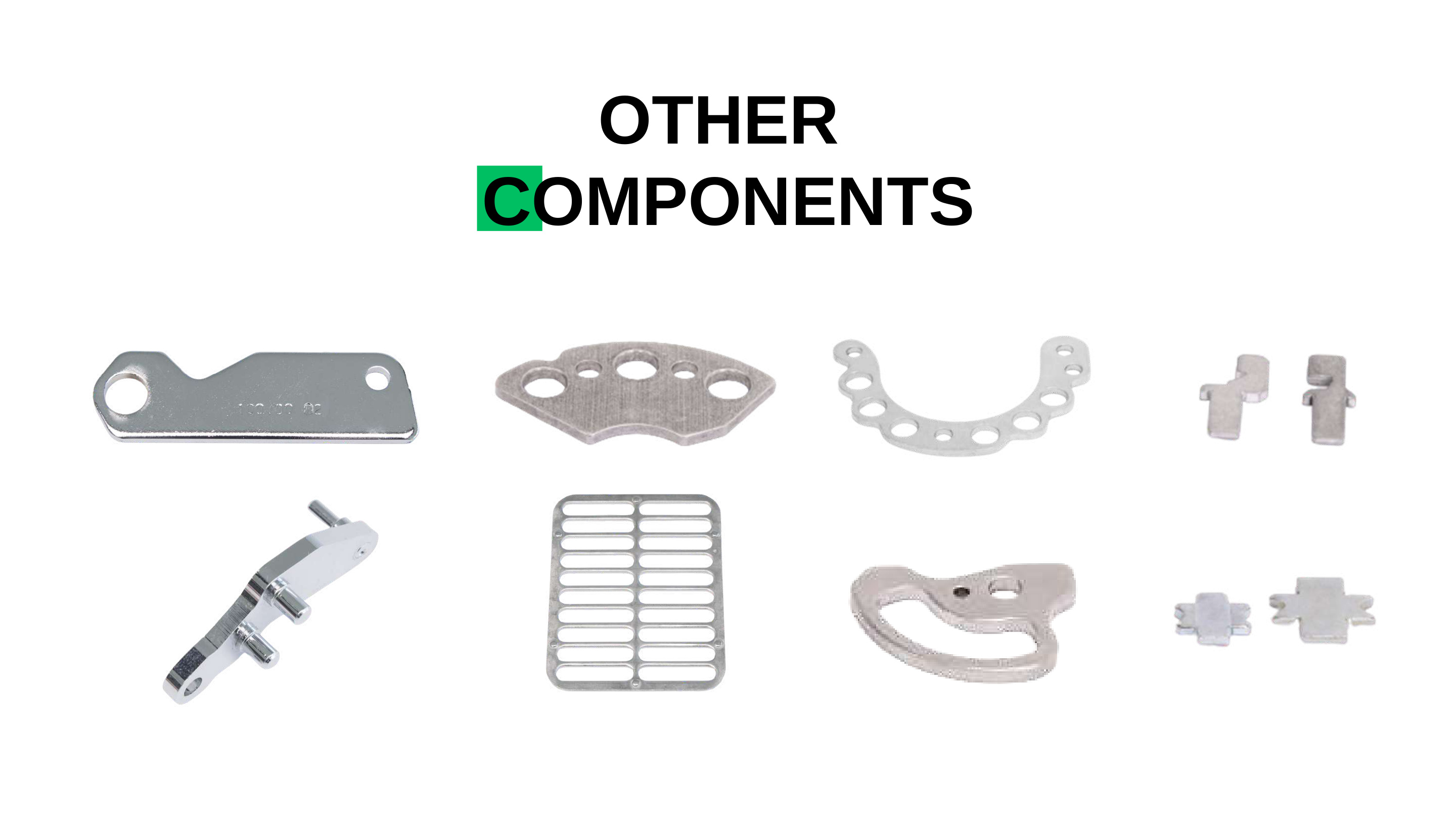
Custom fine blanked plates, brackets and precision metal components need a process plan that protects edge quality, flatness, functional geometry and production cost from the first RFQ review.
Buyer pain
Why this part family needs more than a generic press quote.
Custom fine blanked components vary widely, so a catalogue-style recommendation is risky. The buyer needs a feasibility review that separates what fine blanking can solve from what still requires secondary processing.
HFB starts with the actual drawing, material, tolerance zone, burr direction, annual quantity and current production problem, then recommends the press, die and line scope that fits the part.
Process route
Fine blanking feasibility and tooling focus.
HFB starts with the drawing, material, annual volume and current quality pain. The recommendation may be fine blanking, fine blanking plus forming, a deburring route or a retrofit solution for an existing press.
Line configuration
Equipment selected around the part, not a fixed package.
The proposal is built around the part family, not around a standard accessory list. Press, die, feeding, lubrication and finishing are scoped after engineering review.
RFQ data
Send the details that make the recommendation useful.
- 2D/3D drawing with critical dimensions marked
- Material grade, thickness, hardness and surface condition
- Required shear surface, burr direction and flatness target
- Annual quantity, current process route and quality pain
- Existing press brand/model if this is a die or retrofit project
Next step
Get a practical review before investing in tooling or equipment.
For other fine blanked components, HFB can compare fine blanking, die design, feeding, deburring and refurbishment options so the final route reduces secondary work instead of moving the problem to another process.