
Fine blanking press selection
HF-320 Fine Blanking Machine for Wiper System Parts | Aluminum Alloy
HF-320 fine blanking machine selection guide for wiper system parts made from aluminum alloy, covering press fit, tooling review, feeding, deburring and RFQ data for wiper linkage manufacturers. This page is written for engineers and buyers comparing press tonnage, material behavior, die design and complete line support before sending an RFQ.
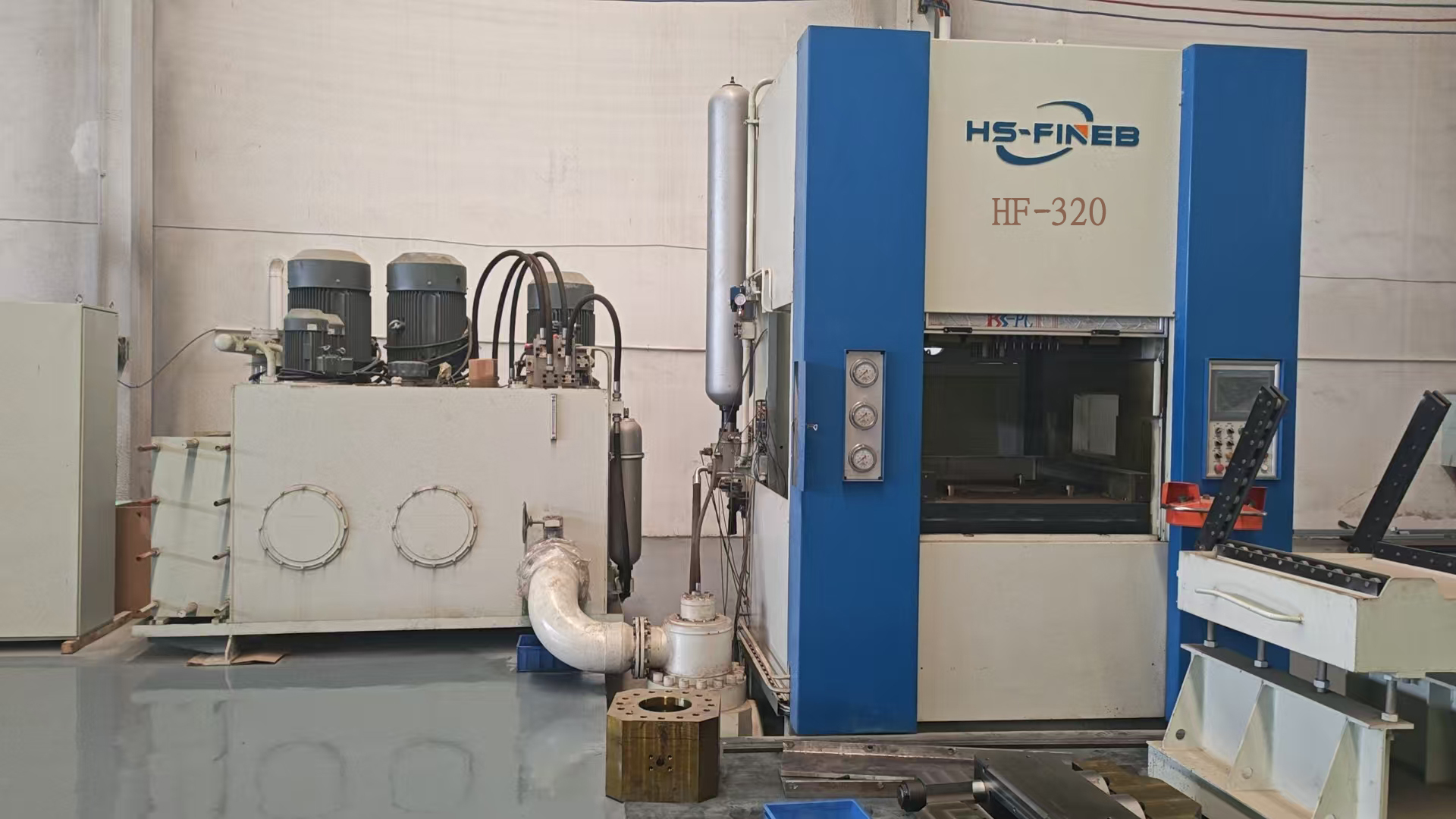
Buyer problem
When Wiper System Parts require clean edges without repeated secondary processing.
Wiper System Parts made from aluminum alloy often fail commercially for reasons that are not visible in a simple tonnage chart: unstable flatness, burr direction, hole-to-profile drift, tool wear, difficult feeding, or extra shaving and milling after stamping. A fine blanking line should solve the production problem, not only install a press body.
Hubei Fine Blanking Machinery reviews the drawing and production target first, then configures the press, die, feeding line and finishing process around the part. The goal is precision, reliability and efficiency for complex parts in a single controlled stroke.
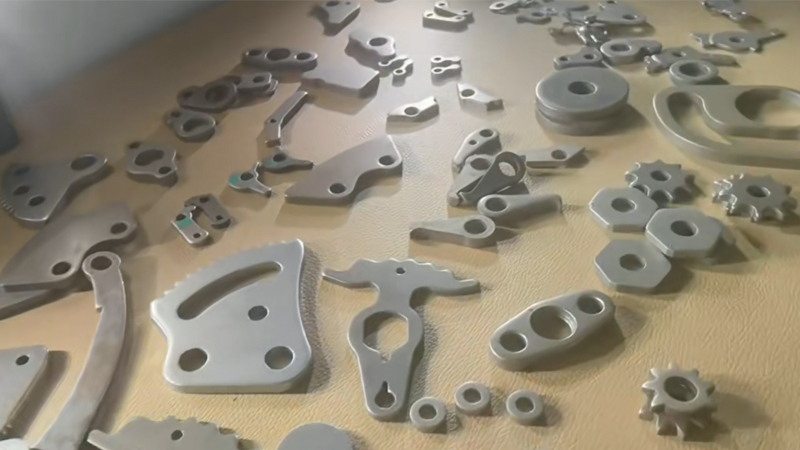
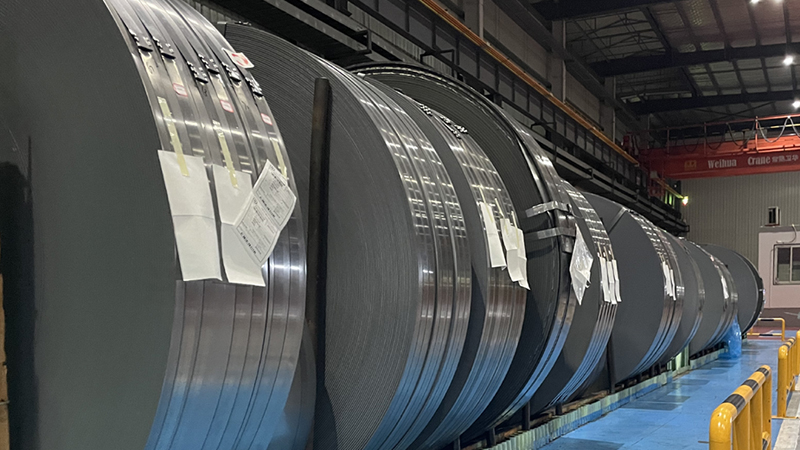
Engineering approach
Why HF-320 may fit this aluminum alloy project.
The HF-320 fine blanking machine is usually considered for compact precision parts, pilot production and medium-volume programs where die space and energy use must stay controlled. For aluminum alloy, the key advantage is lightweight parts with reduced secondary machining; the engineering risk is to protect soft surfaces while maintaining hole-to-profile accuracy. HFB evaluates these factors before confirming tonnage, die space, stroke, feeding width and auxiliary equipment.
- Projected cutting area and required tonnage for wiper system parts
- Aluminum Alloy thickness, tensile strength and coil width
- V-ring force, counter pressure, main blanking force and ejection force
- Flatness target, rollover allowance, burr direction and surface requirement
- Servo feeding accuracy, strip lubrication, scrap handling and part collection
- Deburring, cleaning or drying requirement before assembly or coating
Practical use cases
Where this page helps procurement teams decide faster.
- New production lines for wiper linkage manufacturers moving from conventional stamping plus machining to one-stroke fine blanking.
- Projects where linkage hole accuracy and clean edges for moving joints cannot be held consistently by ordinary punching, shaving or milling.
- Factories that need a practical line plan covering press, die, feeding, deburring and operator workflow.
Instead of quoting a generic press, HFB can combine hydraulic fine blanking, fine blanking die design, automatic feeding and leveling, deburring, cleaning and drying equipment, plus repair or refurbishment support for existing imported lines.
Process value
Smooth sheared surfaces, stable quality and composite forming in one production route.
Fine blanking can produce a smooth surface shear without secondary shaving or milling on suitable parts. It also supports forming, bending, coining, half blanking and drawing features when the press has high rigidity, accurate guidance and independently adjustable triple-action pressure.
HFB combines R&D, design, quality control and application review to help customers turn complex drawings into stable production plans.
RFQ questions
Questions before selecting a HF-320 fine blanking press
Is HF-320 always the right press for aluminum alloy wiper system parts?
Not automatically. HF-320 is a starting point for compact precision parts, pilot production and medium-volume programs where die space and energy use must stay controlled. HFB confirms the final model after checking part drawing, strip layout, projected cutting area and required counter pressure.
Can fine blanking reduce secondary machining?
Often yes. Fine blanking can create a smooth sheared surface and better flatness than traditional press work, reducing shaving, milling, grinding or reaming when the tolerance window allows it.
What should be sent for a serious quotation?
Send the part drawing, aluminum alloy grade, thickness, annual volume, tolerance targets, current process problems and any preferred auxiliary equipment. Photos or samples of existing wiper system parts are also useful.